Staff

Anne Matio
Anne has always been a go-getter. Her passion is purposeful vision planning, relationship building, designing and implementing effective program processes to maximize impact. She is known as a creative problem solver who combines the results-driven mindset of global corporations with the community-centered focus of nonprofit organizations.
Anne knows how to get things done efficiently without sacrificing quality. After building a solid management foundation with a Fortune 500 company, Unilever, Anne made a deliberate career shift to expand her exposure and lend her skills to the nonprofit sector. One of Anne‘s proudest achievements was overhauling the communications and brand strategy for Canada International Black Women Excellence.
Anne joined PPF in March 2023
.
Celine Cooper
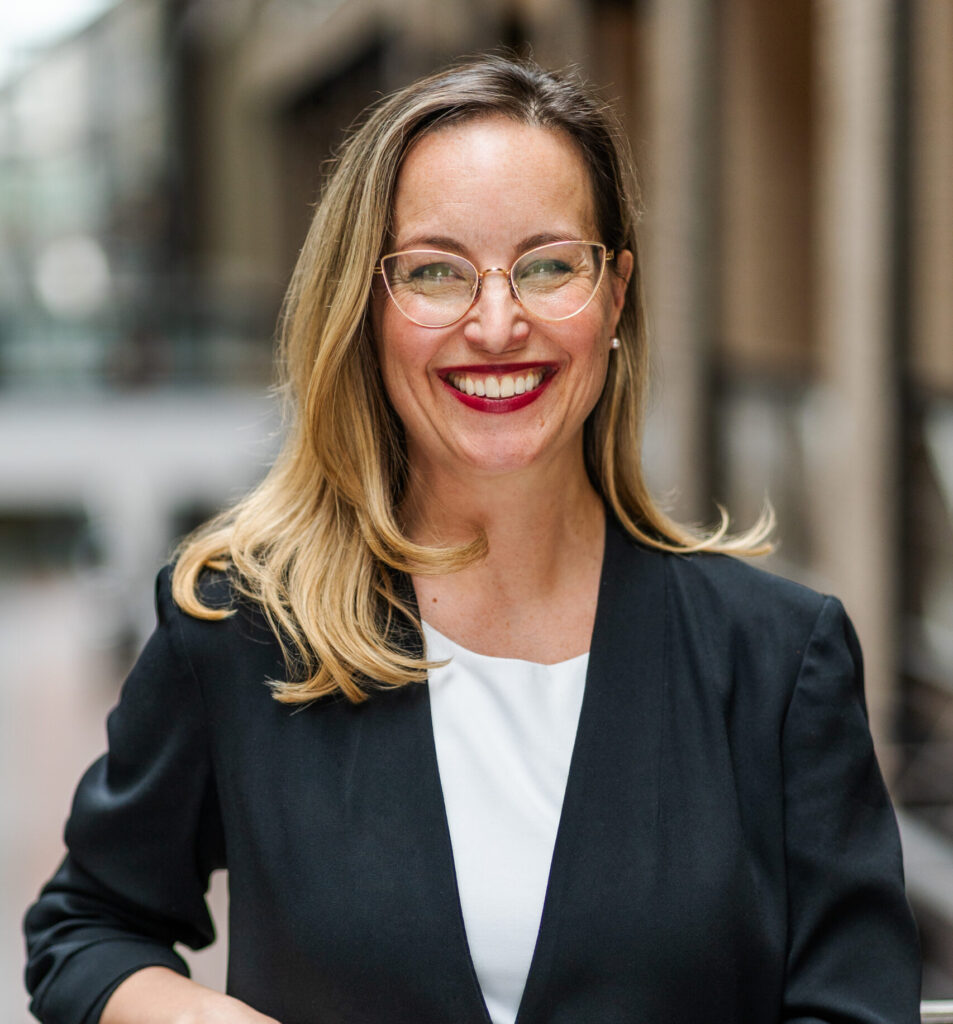
Celine Cooper is the Executive Director, PPF Academy and Action Canada Fellowship.
Prior to joining PPF, Celine served as the Managing Director of the Consortium of English-language CEGEPs, Colleges and Universities of Quebec where she forged collaborative partnerships across government, higher education and community sectors to build a province-wide network supporting post-secondary education, skills training, workforce development, and economic participation for Quebec’s minority language community.
Celine serves as the Director of the Bishop’s Forum at Bishop’s University, a civic leadership institute for Quebec youth. She has also served on several executive boards, including as President of the Association for Canadian Studies and President of the Fraser-Hickson Institute, and currently sits as a board member for the Montreal Institute for Global Security (MIGS). A former columnist with the Montreal Gazette and subject editor at The Canadian Encyclopedia (Historica Canada), she has taught at Concordia University’s School of Community and Public Affairs and held policy roles with Canada’s federal government at the Office of the Commissioner of Official Languages and Status of Women Canada. Earlier in her career, she worked as an emergencies officer with UNICEF in Tbilisi, Georgia supporting the expansion of education, health, and child protection programs into conflict affected areas in the Southern Caucasus.
Celine holds degrees from Queen’s and York universities and pursued doctoral studies at the Ontario Institute for Studies in Education (OISE), University of Toronto.

Dayna Tong
Dayna Tong is a project, product, program and event management professional with 15 years of experience helping organizations deliver on their goals. She has built her career in non-profit and member-based organizations, specializing in operations, program delivery and organizational leadership. Highly adaptable and detail-oriented, she is skilled at navigating new systems and technologies, with expertise in learning management systems (LMS) and customer relationship management (CRM).
Her background includes managing training and certification programs, overseeing grant management, developing content and digital resources to support organizational learning, and experience in board governance. She has also developed and managed membership programs and coordinated large-scale events, while contributing to business planning, operations and communications. Her academic background includes business, marketing, events and project management. She is currently working toward her PMP certification.
Beyond her professional work, she is serving on a board of directors in the vulnerable sector, where she has chaired governance and fundraising committees. She is recognized for her approachable leadership and collaborative style, bringing both steady professionalism and a people-centered focus to her work.
Dayna joined PPF in 2025.
Professional Support Team

Karim Djinko
A deep understanding of diversity, equality, and inclusion drives Karim’s work. His human-centered approach resonates with individuals and teams, making them feel valued and understood.
Karim has extensive experience in facilitation, having served as a manager for seven years at the United Nations and in the public and private sectors.
He designs and implements personalized training and development programs, particularly leadership, communication, team synergy, and self-esteem.
He also supports best practices for workplace integration and inclusion and gender-sensitive management.
Karim Djinko is a certified Profil Nova expert, a psychometric tool designed to unleash the unique potential of individuals, teams, and organizations.
karim has worked as a TV, radio, digital, and print journalist for many years, primarily for Radio Canada in Montreal and Toronto and directing the United Nations radio in Mali.
Karyn Pugliese
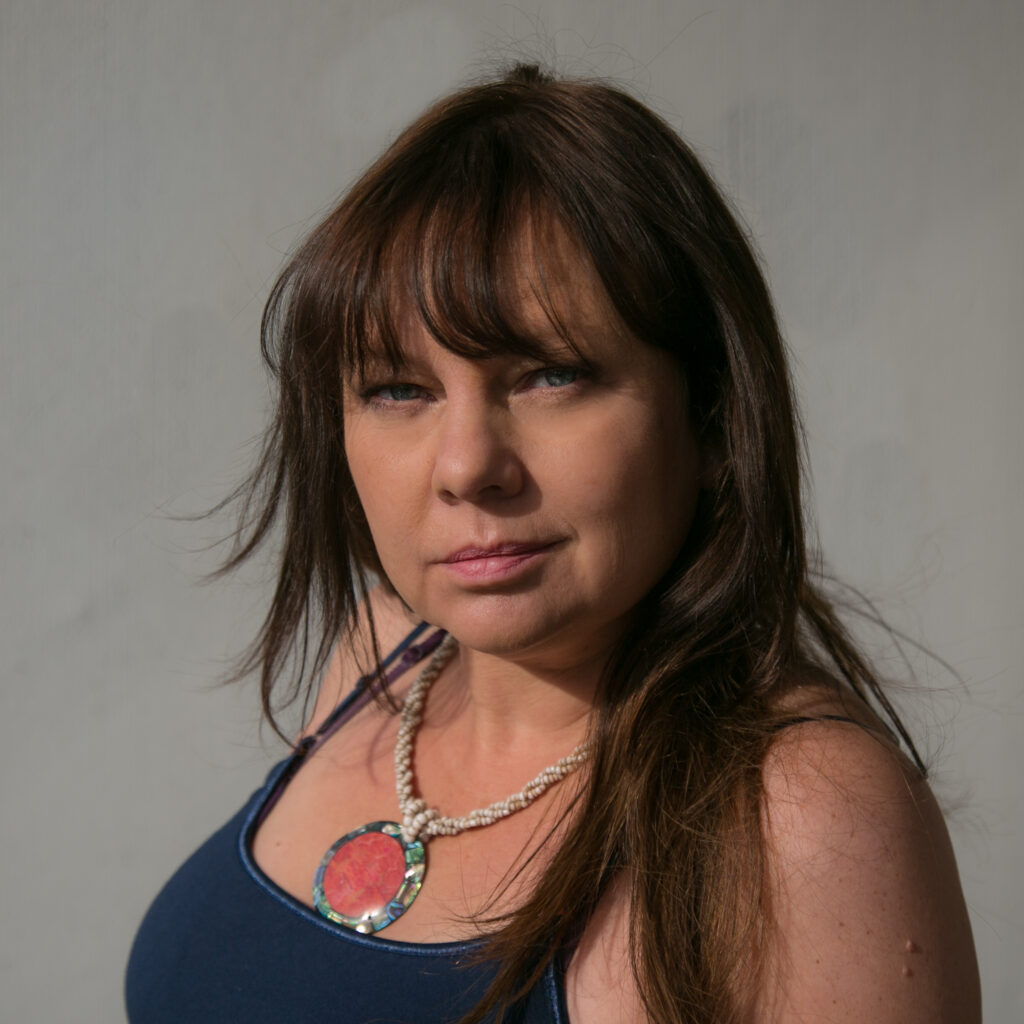
Karyn Pugliese is an award-winning journalist, newsroom leader, and 2020 Nieman Fellow with more than 20 years of experience in Canadian media.
She has held senior editorial and management roles at APTN, CBC, and Canada’s National Observer, and has led teams through some of the country’s most high-stakes and high-impact
journalism.
Pugliese has taught journalism at Toronto Metropolitan University and Carleton University, and speaks regularly across North America, including at IRE, NAJA, the United Nations, CJF
J-Talks, and journalism schools.
She is a proud citizen of the Pikwàkanagàn First Nation and is of mixed Algonquin and Italian descent. When she’s not engaged in acts of journalism, you’ll find her in a canoe, behind a
camera, or eating frybread.

Sally Diab
Clarity. Focus. Impact.
Sally Diab is a strategic advisor and executive coach who partners with senior leaders and high-performing talent navigating complexity, growth, and high-stakes decision environments. With experience spanning banking, consulting, government, energy, and entrepreneurial sectors, she has led enterprise strategic initiatives and organizational transformation efforts across national and international markets.
As Founder of Cultivate & Scale Coaching Inc., Sally works with executives and senior teams to clarify strategic priorities, strengthen decision-making, and align performance with business objectives. Her work focuses on translating disciplined thinking into measurable outcomes within complex organizations.
An ICF-certified Executive Coach and EQ practitioner, Sally brings a structured, commercially grounded approach to supporting leaders operating under pressure and driving sustained performance.
Executive Coach, PCC | Strategic Advisor & Facilitator
Founder, Cultivate & Scale Coaching Inc.
www.cultivateandscale.com | Toronto, Canada

Suzanne Nault
Since 2018, Suzanne has been supporting the leadership development of Fellows enrolled in the Action Canada Fellowship program through teaching and peer coaching. In 2007, the University of Ottawa launched a program in Public Sector Management and Governance to prepare public sector leaders to assume senior positions. From the onset of this program, Suzanne has been contributing to their development through lectures, individual customized coaching program, and, peer coaching. She is a well-sought speaker on topics of resilience, and, transition, particularly retirement and military to civilian life.
Prior to founding her own firm in 1998, she worked for Health Canada and the Communications Security Establishment Canada as Head of the Counselling and Advisory Program and as Senior Consultant in Innovative and Quality Services. Suzanne is certified as a professional integral coach by New Ventures West, California, and, the International Coaching Federation, in Conversational Intelligence™ and Story Coaching™. She is a licensed psychologist with Ordre des psychologues du Québec. Her academic background includes a Master’s degree in clinical psychology (University of Ottawa), a B.A. in psychology (University of Ottawa).
Suzanne is co-author of the #1 international best seller “The Expert Success Solution: Get Solid Results in 22 Areas of Business and Life”. She is fluently bilingual (English, French).
Mentors
Jonathan Dewar
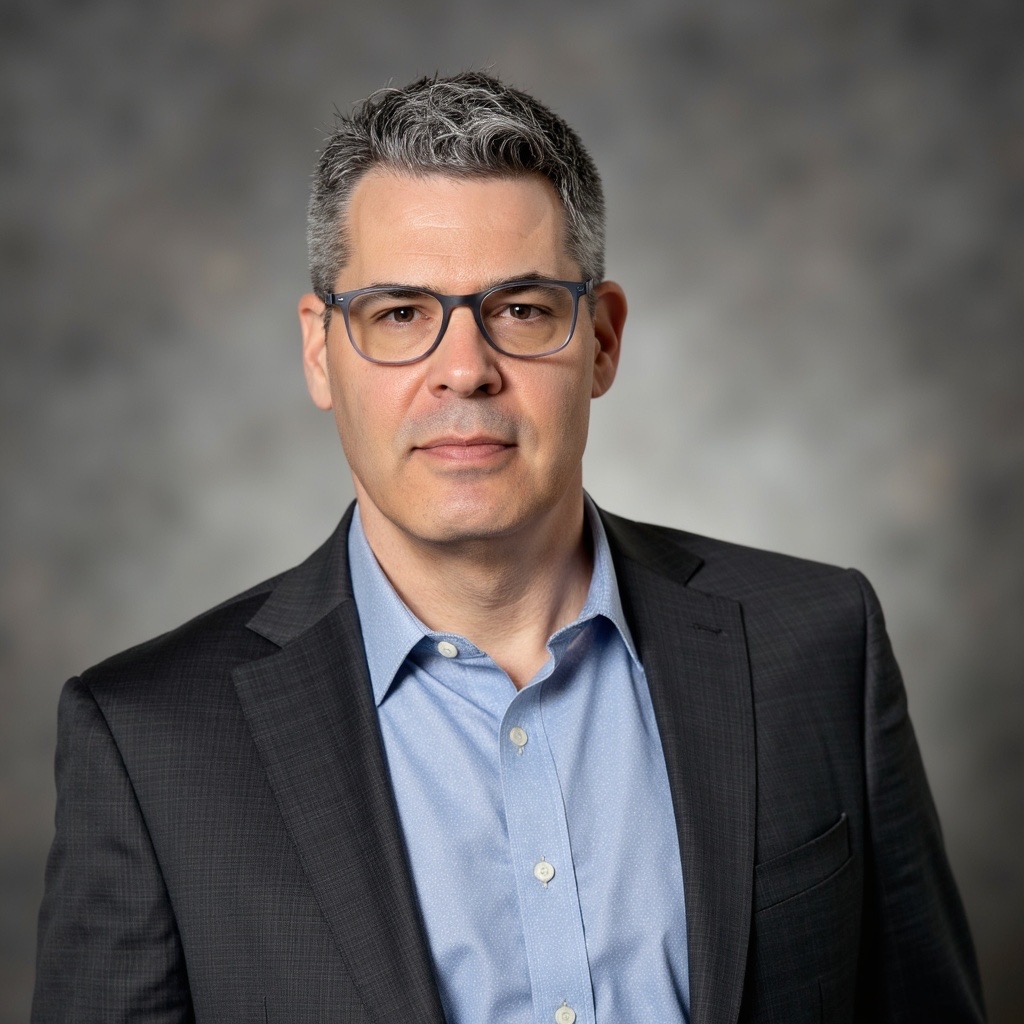
Jonathan Dewar, PhD, is the Chief Executive Officer at the First Nations Information Governance Centre. The FNIGC leads national-level research and information initiatives, including the longstanding First Nations Regional Health Survey; provides data sovereignty, information governance, and OCAP® education and training; and leads the implementation of the national First Nations Data Governance Strategy.
He has spent most of his career directing research and knowledge translation initiatives for national Indigenous-led organizations. During that time, his work has focused on governance, strategic planning, health and well-being, arts and literatures, ethics, and truth, healing and reconciliation. Jonathan previously served as the Director General and Vice President, Collections, Research, Exhibitions and Repatriation at the Canadian Museum of History; Director of the Shingwauk Residential Schools Centre and Special Advisor to the President at Algoma University; and Director of Research at the Aboriginal Healing Foundation, among other leadership roles.
Jonathan received a doctorate from the School of Indigenous and Canadian Studies at Carleton University and holds an appointment as Adjunct Research Professor in the Department of Sociology and Anthropology. He also serves in many volunteer capacities, including as a member of the Board of Directors for the National Council for Reconciliation, the Board of Governors for Trent University, and the Board of Directors for the Queensway Carleton Hospital. He has served on many expert advisory bodies, including the Public Health Data Steering Committee, the Expert Advisory Group on the pan-Canadian Health Data Strategy, and serves as a member of the National Killam Program Selection Committee and Mila’s Indigenous AI Advisory Circle.
Born and raised in the unceded and unsurrendered territory of the Algonquin Anishinabeg Nation (Ottawa), Jonathan is a member of the Wendat Nation.

Neil Bouwer
Neil Bouwer is a Professor of Practice at the Max Bell School of Public Policy at McGill University. He was a longtime public servant and policy wonk, having served in senior leadership positions at the Privy Council Office, Natural Resources Canada, the Canadian Food Inspection Agency, Treasury Board of Canada Secretariat, and the Canada School of Public Service. He has also worked at Economic and Social Development Canada, the Department of Finance, the Financial Transactions and Reports Analysis Centre of Canada, Western Economic Diversification and the Business Development Bank of Canada. Neil’s professional passion projects included building the Government of Canada’s policy community, data community, Free Agent HR Program, digital academy and AI pathfinder projects and the Advanced Policy Analyst Program. Neil was an inaugural Action Canada fellow. He continues to contribute through his graduate and professional teaching, and through his volunteer activities. Neil and his wife split their time between Ottawa, New Brunswick and the Canadian backcountry.

Suzanne Gouin
Suzanne serves as the President of the Board of Directors for the Canada Revenue Agency and the Société d’habitation du Québec. She is also a member of the Board of Directors of the Laurentian Bank, the Foundation of Greater Montreal and is a member of several advisory committees. Suzanne is a director specializing in governance, business transformation, digital transformation and human capital issues. An experienced broadcasting manager, she has been the CEO of TV5 Québec Canada for more than 13 years. Suzanne has held various management positions in both the private and public sectors. A graduate of Concordia University, she holds an MBA from the Richard Yves School of Business at the University of Western Ontario and holds the IAS accreditation of the Institute of Corporate Directors. Suzanne is a recipient of the National Order of Merit of the French Republic.
Advisors
Amy Amos
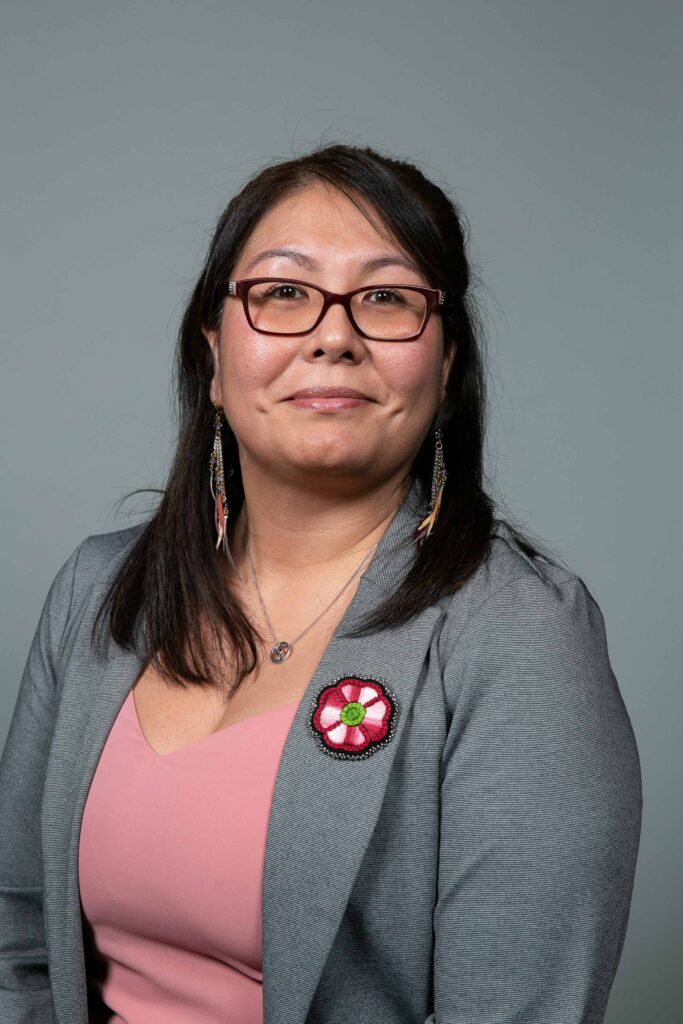
Amy Amos is the Regional Director General for the Arctic Region at Fisheries and Oceans Canada, based in Inuvik, Northwest Territories. She is a member of the Gwich’in First Nation and brings a deep personal and professional connection to the Arctic. Amy has extensive experience advancing northern priorities, including strengthening partnerships with Indigenous communities, supporting co-governance approaches, and leading key initiatives such as the implementation of the Inuit Nunangat Policy and northern recruitment and retention efforts.
Prior to her current role, Amy served as Associate Regional Director General and Director of Arctic Operations, where she led efforts to advance reconciliation, integrate Indigenous knowledge, and build a strong, locally rooted workforce. Before joining the federal public service, she spent 16 years with the Gwich’in Renewable Resources Board in Inuvik as a biologist and Executive Director.
Amy holds a Bachelor of Science from Mount Saint Vincent University and is an alumna of the Governor General Canadian Leadership Conference. She also serves as the Department’s National Indigenous Employee Champion, where she uses her leadership role to elevate Indigenous employee priorities across the organization.
André Moreau
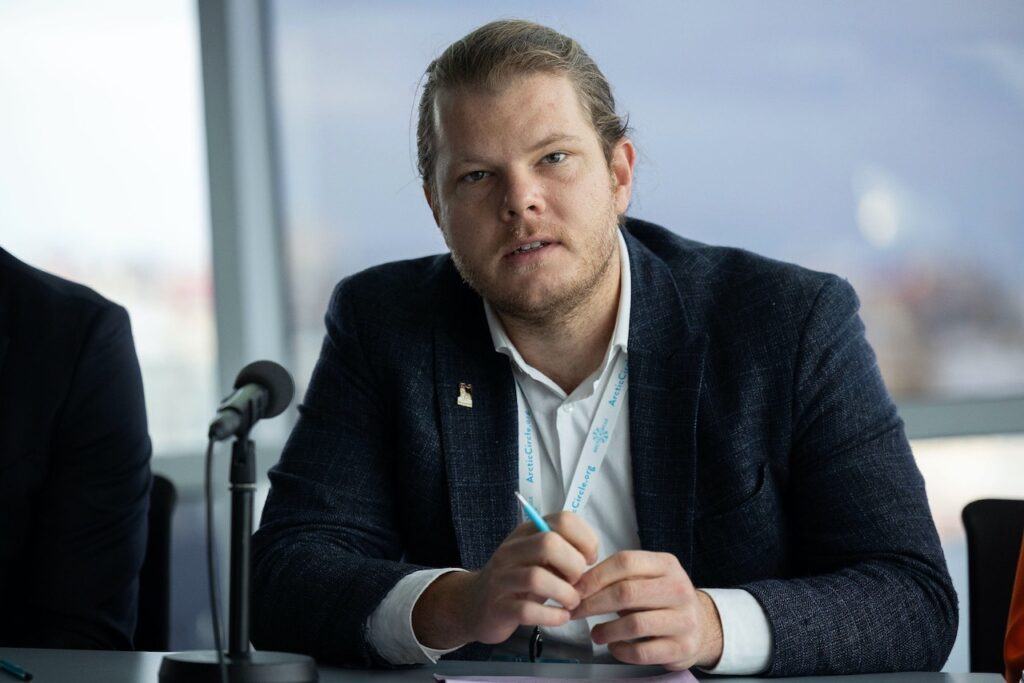
André Moreau is a Canadian public servant and legal professional with nearly a decade of experience in Arctic governance, public policy, and intergovernmental relations. An Action Canada Fellow alum (2023–2024), he has held key roles within the Government of Nunavut, including Director of Intergovernmental Relations and Circumpolar Affairs Advisor. In these positions, André advocated for Nunavut’s interests, briefed senior decision-makers – including the Premier of Nunavut – and worked on policy issues related to Arctic security, national and international Arctic cooperation, and improving infrastructure and services in the North. He represented Nunavut in domestic and international forums, including the Arctic Security Working Group, the Arctic Council, and the Arctic Circle Assembly, and contributed to the development of both Canada’s Arctic and Northern Policy Framework and Arctic Foreign Policy.
André is currently pursuing a Master of Laws (LL.M.) in Polar Law at the University of Akureyri in Iceland, where his studies build on his professional experience and commitment to the future of the Arctic. His experience living and working in northern and remote communities has given him a grounded understanding of the opportunities and challenges facing northern and Indigenous communities.
Beyond his professional work, André has been actively involved in community service, serving on the board of the Niqinik Nuatsivik Nunavut Food Bank and volunteering with the Civil Aviation Search and Rescue Association.
André holds both a B.C.L. and an LL.B. from McGill University, where he was elected valedictorian of his graduating class in recognition of his leadership and involvement within the faculty. He is a member of the Law Society of Nunavut and also holds a B.A. in Arts and Business from the University of Waterloo, with a focus on speech communication, history, and international studies.
Anne-Raphaëlle Audouin
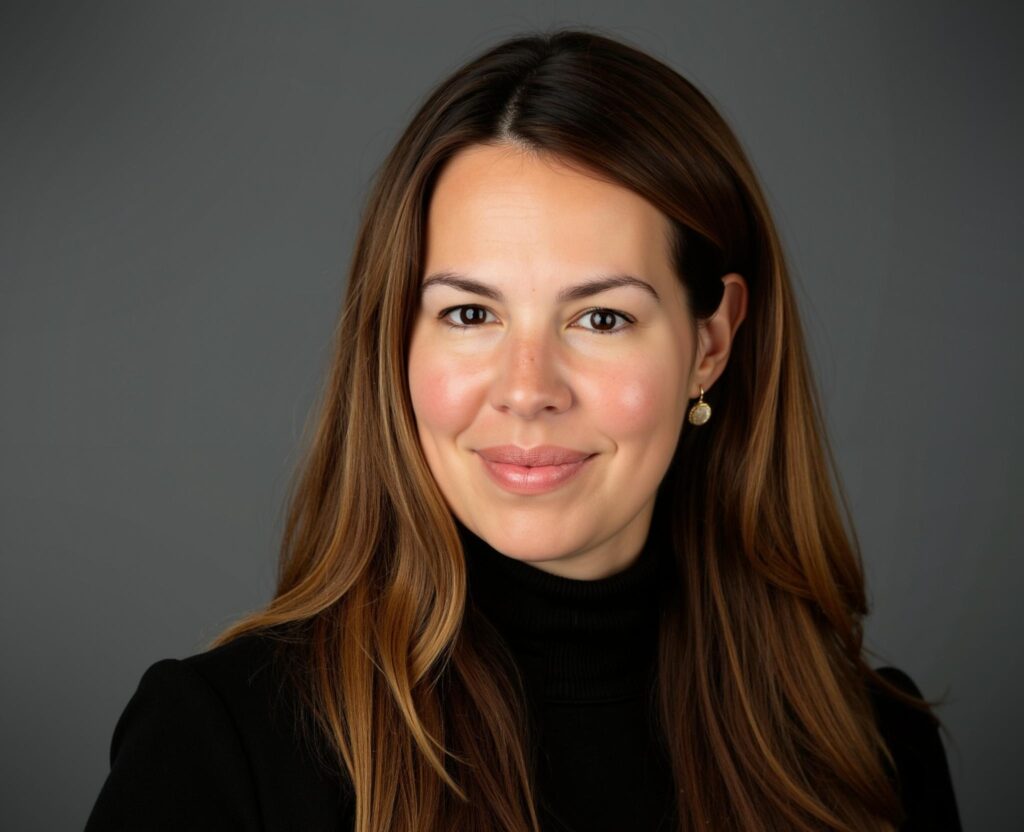
Anne-Raphaëlle Audouin is the Chief Executive Officer of Nukik Corporation, where she leads a team dedicated to advancing renewable energy development, Arctic infrastructure, and economic reconciliation through community-led, clean energy projects. With over 17 years of experience in the natural resources and infrastructure sectors, she specializes in shaping innovative, large-scale initiatives that support Indigenous leadership and sustainable regional development.
At Nukik, she is spearheading groundbreaking work, including the Kivalliq Hydro-Fibre Link — a first-of-its-kind project delivering renewable electricity and broadband connectivity to Nunavut — while building cross-jurisdictional partnerships and securing federal, provincial, and regional support.
Previously, Anne-Raphaëlle served as President and CEO of WaterPower Canada, where she strengthened the organization’s influence, grew its membership, and helped position hydropower as a key pillar of Canada’s clean energy future.
A recognized thought leader, she is frequently featured in national media and policy forums, and contributes to several boards and think tanks focused on sustainability, Indigenous partnerships, and energy transition. She was appointed by the Government of Canada to the North American Commission for Environmental Cooperation – Joint Public Advisory Committee (JPAC), and elected Chair in 2025, where she promotes trilateral collaboration on climate and environmental protection between Mexico, Canada and the United States.
She is a recipient of the Clean 50 Award (2025) and the Women Infrastructure Network Outstanding Leader Award (2026).
Duwayne Williams
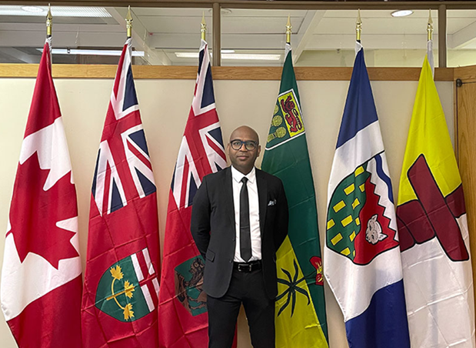
Duwayne studied Engineering at Ryerson University, graduating in 2004 with a degree in Electrical Engineering. Duwayne also holds an MBA from the University of Phoenix.
Duwayne has extensive experience in the transportation industry. Prior to a private sector career in both commercial and military aerospace manufacturing and high-speed railway, Duwayne began his career in the Federal Public Service in 2011 and worked as a Regional Engineering Manager and a Rail Safety Inspector in Ontario Region.
Duwayne left TC in 2017 to take on the role of Vice-President of Engineering and eventually became the Chief of Engineering at Metrolinx – a Transit company in Toronto. During his time at Metrolinx, he developed the company’s first Engineering and Asset Management team, deployed billion-dollar asset management programs, safety oversight and risk management programs.
Duwayne returned to Transport Canada in spring 2021 as Regional Director General for Ontario Region and was appointed as Regional Director General Ontario, Prairies and Northern Region April 1, 2026.
In his spare time, Duwayne likes to do woodworking, run half marathons and dedicate his time to helping professionals with career development.
Hillary Thatcher
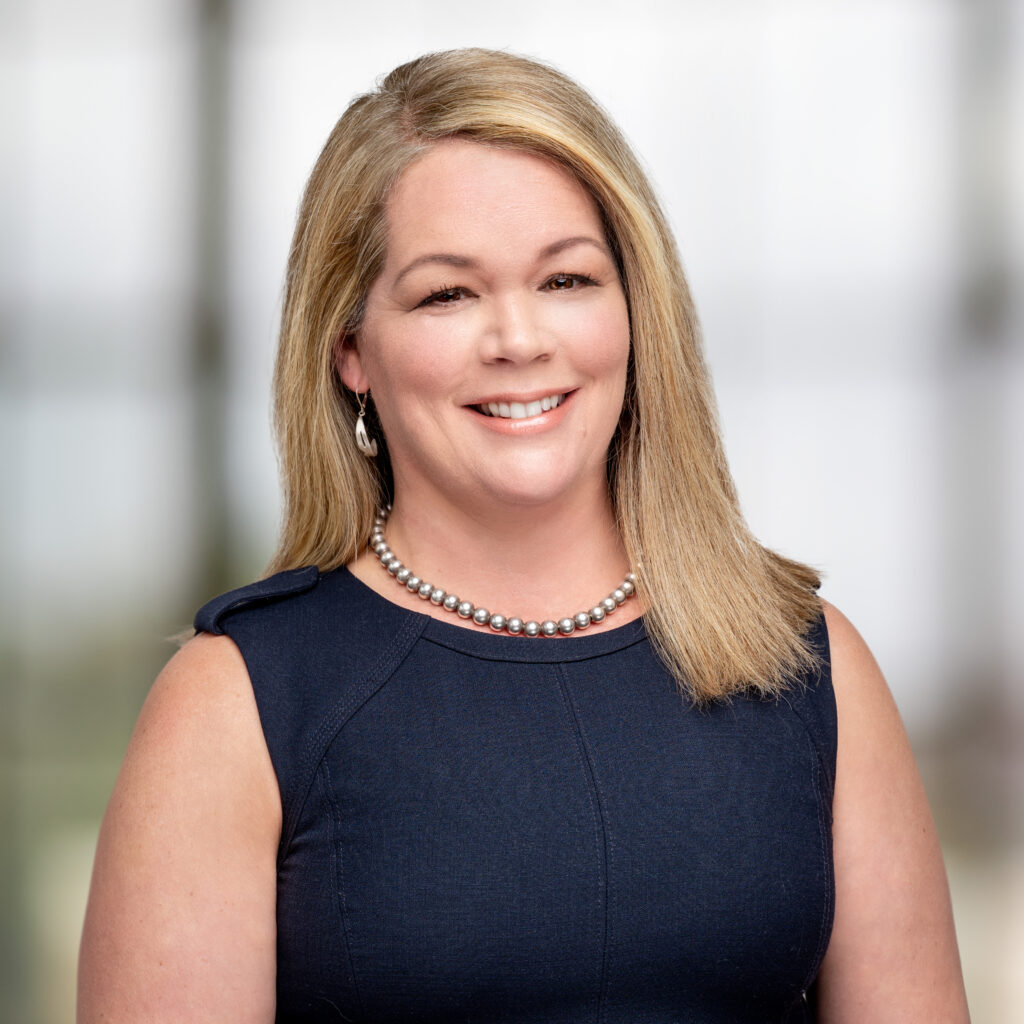
Hillary Thatcher is Executive Vice President, Indigenous & Northern Infrastructure. Hillary leads the CIB’s Indigenous relationships and opportunities to engage with Indigenous communities. She is part of the team offering advice and making investments consistent in CIB’s priority initiatives.
Previously Director General of Innovation and Services at Indigenous Services Canada, Hillary spent 15 years with the Ontario government in senior roles across Indigenous Affairs, Energy and Infrastructure and Natural Resources. Hillary has a proven track record of building linkages among government, industry and Indigenous interests.
Hillary is Métis and has been an active member of the urban Indigenous community of Toronto through her volunteer roles at the Native Canadian Centre of Toronto, Red Sky Performance and the Downie Wenjak Fund.
Hillary graduated from Concordia University in Montreal and the University of Victoria.
James Clark
Major Projects Management Office
Natural Resources Canada
Government of Canada
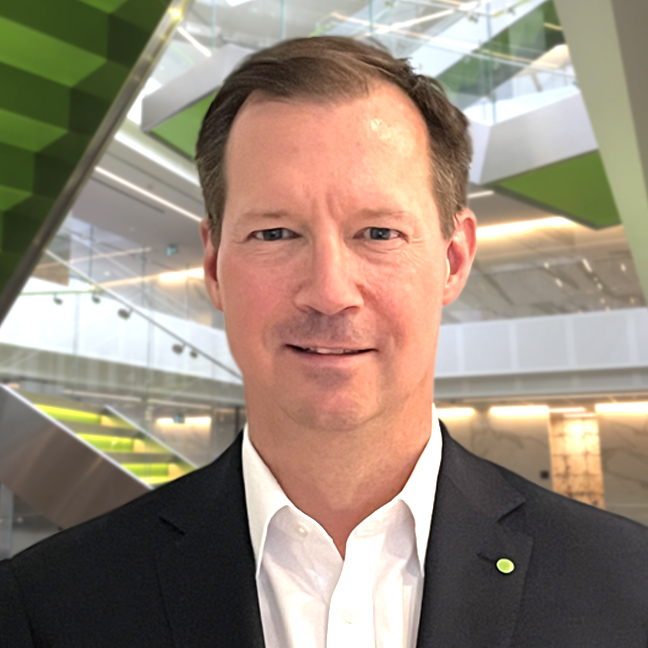
James Gordon
James Gordon is the Managing Partner, Government and Public Services at Deloitte Canada and Chile. His work, and the team he leads, are dedicated to supporting public service organizations in preparing for a prosperous and inclusive future. Through his portfolio, he serves clients across all levels of government, as well as crown corporations, boards, commissions, and higher education institutions.
With over 25 years of experience as a trusted executive advisor, James has a strong appreciation of the challenges that government stewards face when balancing environmental, economic, and social outcomes and the need for robust policy as these priorities converge. He understands the strategic shifts that are shaping citizen expectations and the important role that public service renewal plays in creating sustainable and meaningful service delivery experiences. A strategist and a collaborator, James has a track record of supporting executive teams with implementing their mandate and driving change agendas to improve public outcomes.
James serves on Deloitte’s national executive and the global GPS executive team. Previously, he has held numerous client account leadership roles, as well as leading the national Operations Transformation team and the global Operations Excellence offering.
James is a passionate member of his community, having served on conservation and performing arts boards, and plays an active role in his kids’ local sports teams.

Jeff Collins
Jeff Collins is the inaugural Director of the Palmer Canadian Leadership Institute, based in Charlottetown, Prince Edward Island. Prior to joining the Institute in 2026, Jeff was a senior policy analyst at the Department of National Defence and, separately, an Assistant Professor of Political Science at the University of PEI.
Jeff is alumnus of Action Canada (2024-25) and is a board member of the Banff Forum. He is the author of the 2024 book, Canada’s Defence Procurement Woes, and writes widely on Canadian defence and foreign policy issues. Jeff holds a PhD in Political Science (Carleton), a MA in Strategic Studies (Birmingham), a law degree (Aberdeen), and a BA in Political Science and History and Certificate in Public Administration (Memorial).
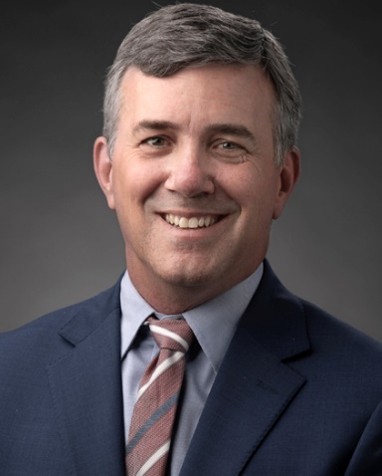
Jeff Labonté
Jeff Labonté was named Associate Deputy Minister of Natural Resources Canada in July 2023. Formerly at NRCan, Jeff was Special Advisor to the Associate Deputy Minister on Decarbonization; Assistant Deputy Minister, Lands and Minerals Sector; Assistant Deputy Minister, Major Projects Management Office; Director General, Energy Safety and Security Branch and International Energy; and Director General, Petroleum Resources Branch in the Energy Sector. He has also held senior executive positions at the Geological Survey of Canada and the National Mapping Agency.
Jeff holds a bachelor’s degree in geography and political science, as well as a master’s degree in public administration from Carleton University. He has also completed the Public Sector Leadership and Governance program at the University of Ottawa.
John MacDonald
John MacDonald has had a lengthy career in Canada’s north, focused on education, labour market programs, income security, and early childhood development.
His career path has included work in the Northwest Territories, Nunavut, Nova Scotia, and abroad. After serving as an officer in the Canadian Armed Forces, John ventured into the field of education as a teacher before transitioning to the public service.
In Nunavut, he held a number of roles with increasing responsibility, including regional director, where he oversaw the delivery of labour market programs, income assistance, and early childhood. He eventually moved to Iqaluit, where he became Director of Career Development for the then-new Department of Family Services, dealing with labour market programs and student financial assistance, before beginning his role as Assistant Deputy Minister for Education.
During his career with the Government of the Northwest Territories, he served as Assistant Deputy Minister of Education and Culture, Assistant Deputy Minister of Environment and Climate Change, and Deputy Minister of the Department of Education, Culture and Employment. The culmination of these positions and experiences now informs John’s current position as Deputy Minister of Executive and Indigenous Affairs.
John holds a Bachelor of Arts from St. Francis Xavier University, a Bachelor of Education from the University of Maine, and a Master of Education from St. Francis Xavier University.

Leslie Muñoz
Leslie Muñoz is a strategic public affairs and government relations leader dedicated to advancing public policy that strengthens communities and improves quality of life across Canada. Driven by a strong commitment to public service, Leslie currently serves as Director of Advocacy at the Federation of Canadian Municipalities, where they lead the organization’s national advocacy efforts and shape engagement strategies with parliamentarians, ministers, political staff, and senior government officials.
In this role, Leslie provides strategic leadership on some of the country’s most pressing public policy challenges, helping to position municipalities as key partners in delivering solutions on housing, infrastructure, climate resilience, economic growth, and community well-being. They are recognized for their ability to navigate complex political environments, align diverse stakeholders around shared priorities, and translate policy challenges into impactful advocacy strategies that drive results.
Leslie’s career spans the municipal, post-secondary, and non-profit sectors, providing a broad perspective on public policy, governance, and stakeholder engagement. A trusted advisor and relationship-builder, they have developed and led initiatives that strengthen collaboration across governments, advancing policies that create lasting benefits for communities.
Leslie is also a proud Action Canada alum.
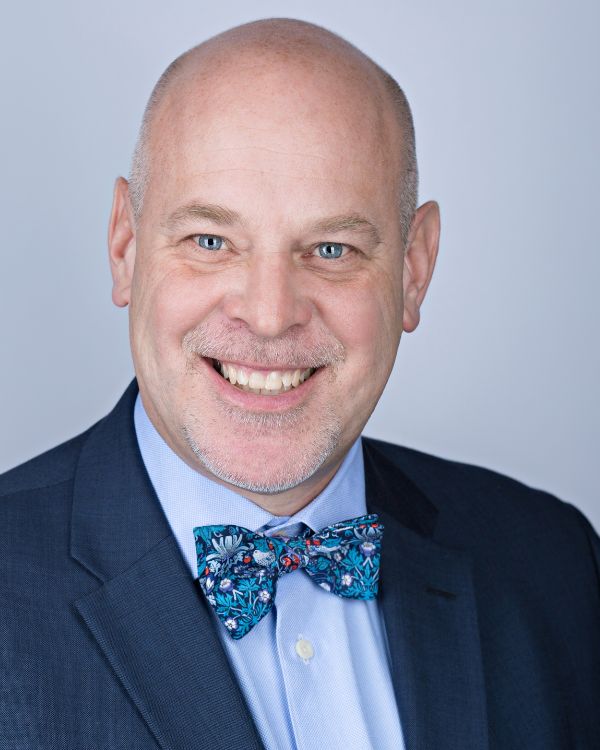
Pierre Gratton
Pierre Gratton was appointed President and CEO of the Mining Association of Canada (MAC) on June 1, 2011. Based in Ottawa, MAC is the national organization for the Canadian mining industry. Its members are engaged in mineral exploration, mining, smelting, refining and semi-fabrication.
Prior to his appointment to MAC, Pierre was President and CEO of the Mining Association of British Columbia (MABC). From 1999-2008, Mr. Gratton served as Vice President, Sustainable Development and Public Affairs for the Mining Association of Canada (MAC). In this capacity, he was instrumental in the development of Towards Sustainable Mining, MAC’s flagship program that is gaining international recognition and adoption. In 2005-06, Mr. Gratton was honoured as a Distinguished Lecturer for the Canadian Institute of Mining, Metallurgy and Petroleum (CIM).
Mr. Gratton is First Vice-President of the Interamerican Mining Society (SIM – Sociedad Interamericana de Mineria), Past Chair of the Canadian Mining Hall of Fame, Co-chair of the Green Mining Initiative Advisory Committee and sits on the Board of Ottawa’s Thirteen Strings Chamber Orchestra.
Mr. Gratton holds an M.A. degree in political science, a B.A. from McGill University, and a third-degree black belt.
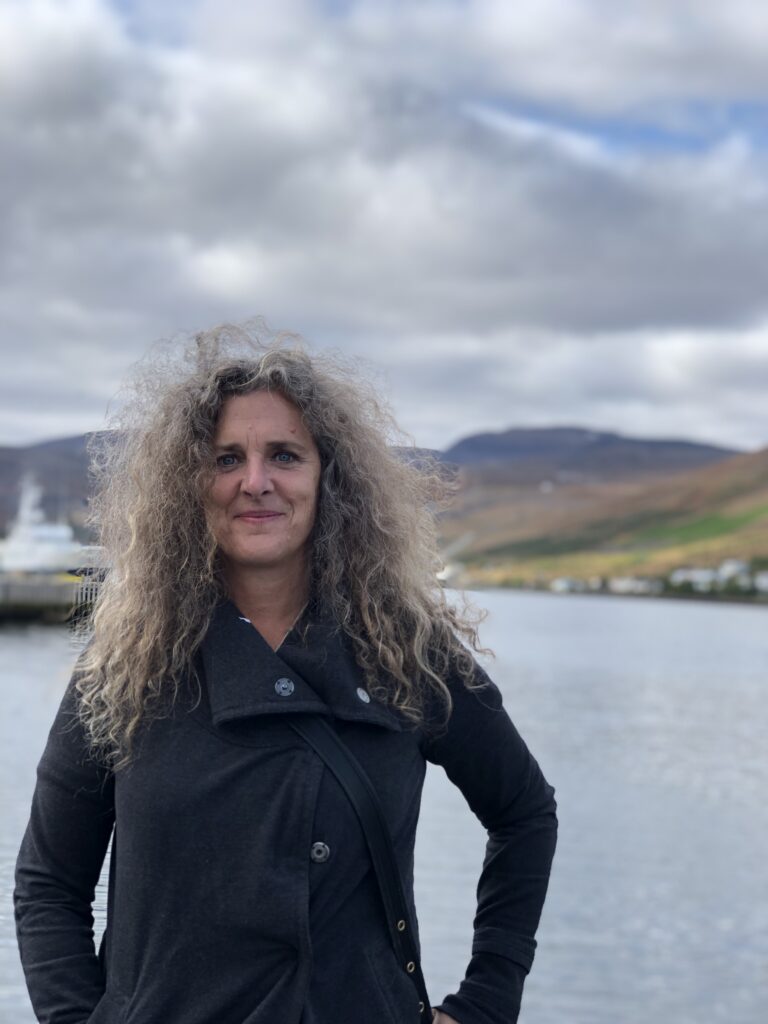
Sarah Cox
Sarah Cox has been in the Public Service of Canada for 27 years, the last eighteen of which have been at the executive level. She has spent the bulk of her career at Crown-Indigenous Relations and Northern Affairs Canada (CIRNAC). Her areas of work have included Education, Evaluation, Inuit Relations, Federal/Provincial/Territorial & Intergovernmental Affairs, the Northern Strategy and Circumpolar/International Affairs, to name a few.
Sarah has managed several complex projects, which include negotiating and implementing the delivery of the Common Experience Payment for the Residential Schools settlement and a partnership with the National Film Board which led to the development of a comprehensive collection of Inuit films (Unikkausivut) that was widely distributed across Canada, and the development of a memorandum to cabinet for Inuit relocation and she also worked on the development of the Northern Strategy. Sarah thrives when working with complex challenges and specifically enjoys working to break down horizontal barriers.
Sarah also served as the Public Servant in Residence at Concordia University, for three years, where she developed and taught a Master’s level class on Federal Policy supporting Canada’s Arctic.
More recently, Sarah was the Director of Circumpolar, International and Intergovernmental Affairs at CIRNAC and for fifteen years held the additional position of the Canadian Head of Delegation for the Sustainable Development Working Group (SDWG) in the Arctic Council. She led on several projects in the SDWG including areas of renewable energy, food security, blue bio economy and mental wellbeing.
Sarah joined the Gordon Foundation in February 2026, for a two-year interchange from Crown-Indigenous Relations and Northern Affairs Canada (CIRNAC), as the new Director, Arctic Program. Working with the CEO, she will be developing and implementing a new Arctic Security program.

Scott Robertson
Scott Robertson RN is the founder, CEO, and Chief Health Economist of Triage Metrix Associates LP, based in Yellowknife. Scott began his clinical career as a registered nurse in emergency departments and community health centres throughout the NWT and Nunavut. He was the first Chief Nursing Officer for the Northwest Territories and during the COVID-19 pandemic served as an executive co-lead for the NWT Health and Social Services Authority overseeing testing, immunization, and outbreak response.
Scott was a Commonwealth Fund Harkness Fellow in health policy at Stanford University and spent three years at Verily (Google Life Sciences) as a health economist working on digital health platforms and outcome modeling. He holds a master’s degree in health economics and policy from the Barcelona Graduate School of Economics and is an Action Canada Fellow.
Born and raised in Yellowknife, Scott’s northern roots extend beyond his professional work. He spent summers working as a fishing guide on Great Slave Lake. He is also an instrument-rated private pilot with over 2,000 hours of flight time on wheels, skis, and floats. Alongside his health system career, he spent 20 years working with northern airlines in customer service, inflight, and flight operations roles, giving him a practical understanding of the geography, logistics, and operational constraints that shape life and service delivery in the North.
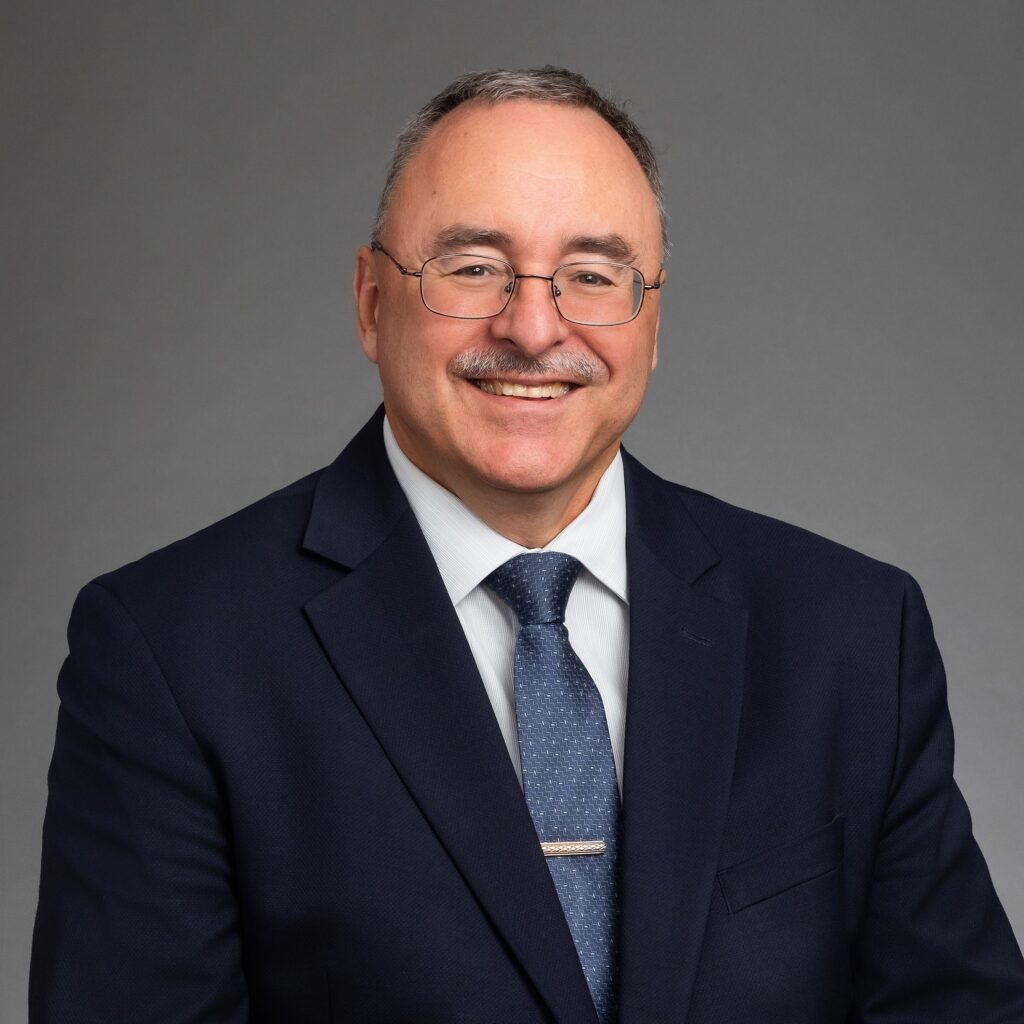
Sylvain Charbonneau
On October 1, 2024, Sylvain Charbonneau became the sixth President and CEO of the CFI. He is a former researcher, entrepreneur and leader in research administration.
Before joining the CFI, he held the role of Vice-President, Research and Innovation at the University of Ottawa. During his tenure at the university, he promoted interdisciplinary research across Canada and helped create a dynamic environment that attracted outstanding researchers and partners from the academic, public, hospital and private sectors. Most recently, he led the academic team in securing the largest capital investment in the university’s history — the Advanced Medical Research Centre — which will catalyze discoveries in healthcare treatment and support their commercialization.
Sylvain Charbonneau holds an MSc in physics from the University of Ottawa and a PhD in photonics and semiconductor physics from Simon Fraser University in Burnaby, B.C. Before joining the University of Ottawa in 2013 as Associate Vice-President, Research, he worked at the Institute for Microstructural Sciences at the National Research Council (NRC) for more than 20 years.
During his time at NRC, he was an adjunct professor at six Canadian universities, trained several graduate students, published more than 180 papers and filed numerous patents. Along with three colleagues, he also co-founded a spin-off company — Optenia Inc. — that focused on novel optical communications technology.
This is what leadership looks like.
Our Alumni